
Published on: October 12, 2026
Why Arthritis Happens?
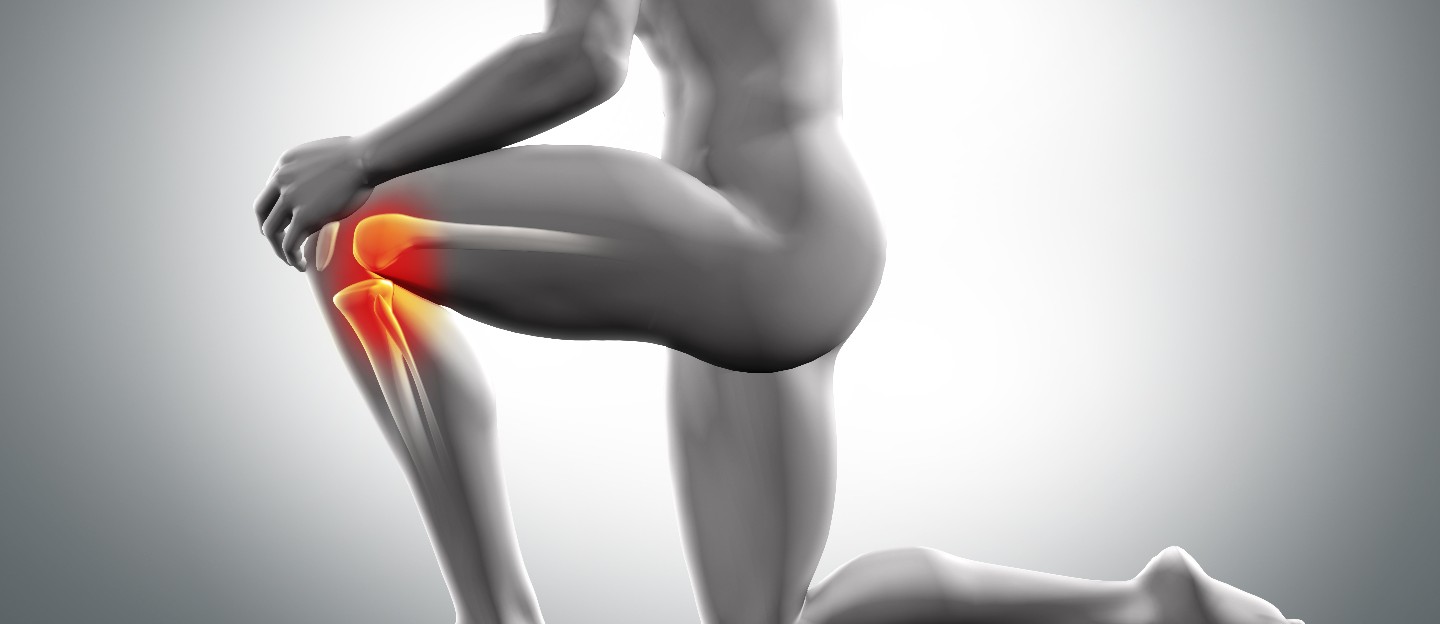
It is also known as the degenerative joint disease; knee osteoarthritis is quite a common condition and nearly 46 percent of people develop knee osteoarthritis once in a lifetime. The cartilage is generally damaged around joints, causing the joints to become painful. It generally takes many years to develop knee osteoarthritis, and the process of degeneration can be slowed down using various measures, including exercises. People with arthritis generally experience joint stiffness or pain after a period of rest or inactivity. Functional activities such as running, jogging, stair climbing, and kneeling are affected due to joint arthritis, making these activities difficult to perform. There are conditions which predispose the joints to arthritis, and some of these include being overweight or obese, previous joint injury or deformities, frequent joint stressing (due to playing or excessive strain), and genetic inheritance of having joint arthritis.
The most commonly involved joints are the:
The joint involvement might be mild in some cases to extremely severe in others.
Factors that Lead to Development of Joint Arthritis
Joint pain is often felt more post-injury or due to aging. In low temperatures, people experience muscle spasms or tightness, leading to reduced joint mobility or joint stiffness. During winters, as exposure to sunlight is reduced, joints and bones weaken (low levels of Vitamin D).
There is also a chance of frostbite; blood circulation in the feet and hands should be checked as it might drop, leading to pain, pressure, and swelling in the joints. The pain is often linked with aging-related arthritis and can hinder performing ADL (Activities of Daily Living) or functional activities.
In winters, the barometric pressure around joints is reduced, leading to swelling cartilage and synovial lining. Joint pain receptors become highly sensitive, tightness is felt in joint ligaments and muscles, and reduced fluid movement is felt within joints, leading to joint stiffness and muscle tightness, especially in the morning.
How to Take Care of the Joints?
Treatment Provided at Fitbox Physio India
Here at Fitbox Physio India, we thoroughly evaluate patients who come to us with arthritic conditions. After the initial evaluation, a physical therapy management plan is created. This might include various modalities, e.g., ultrasound, interferential therapy, laser, and heat/cold therapy. Myofascial releases or acupuncture sessions are provided to release muscle tension around the joints. Strengthening exercises play a major role in reducing joint load and making movements more efficient. Besides strengthening, overall flexibility and general fitness should also be improved. A great lifestyle can help anyone achieve great muscle and joint health!
